
What can go wrong with lip blush?
Lip blush tattooing, a semi permanent makeup, has become popular for adding a soft pop of colour to the lips and shape and symmetry. The procedure is designed to look natural, so the lips look fuller and more defined without the need for daily lipstick or lip liner. But like any cosmetic procedure, there are risks and things can go wrong during and after the lip blush procedure. In this article we will go through the pitfalls, the complications that can happen and how to minimise the risks for the best result.
What is Lip Blush Tattooing?
Lip blushing tattoo, also known as lip blush tattoos or lip tattooing, is a semi permanent tattoo that adds a layer of colour to the natural lip colour. This cosmetic tattooing technique uses a tattoo machine to deposit pigment into the skin, to give the illusion of fuller, healthier lips. Unlike a traditional tattoo which uses deeper needle penetration, cosmetic tattoo procedures like lip blush are more superficial, the pigment is placed closer to the surface of the skin.
The healing process for lip blush takes around 1-2 weeks, during which the lips will go through stages of scabbing, peeling and lightening before the final colour sets in. But things don’t always go as planned and things can go wrong.
Lip Blush Complications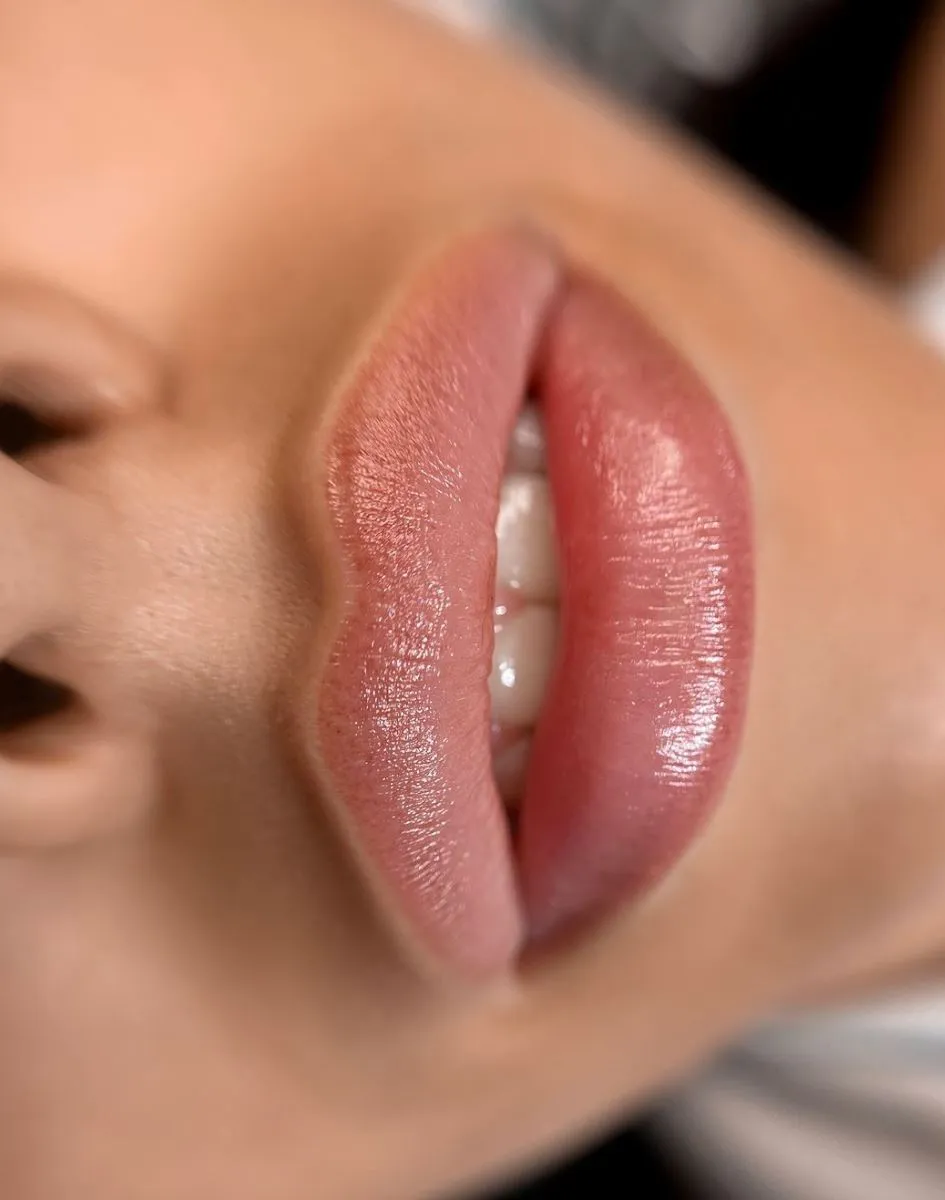
Although lip blush is a minimally invasive procedure, complications can still happen. Let’s go through the common issues with lip blush tattoos.
Uneven Colour and Pigment Migration
One of the biggest concerns with lip blush tattooing is uneven colour. This happens when the technique is not right by an inexperienced cosmetic tattoo artist or if the lips are not properly prepared for the procedure. Uneven colour can cause some areas of the lips to be darker or lighter than others. This is more common if the aftercare instructions are not followed correctly, such as not avoiding direct sun exposure, spicy food or certain skincare products that can disrupt the pigment, and clients might also wonder Do Lip Tattoo fade under similar circumstances.
Besides uneven colour, pigment migration can happen where the ink spreads beyond the natural lip line, giving a blurry effect. Pigment migration is more common when the tattoo machine is used incorrectly and the pigment goes outside the intended area.
Premature Fading and Colour Loss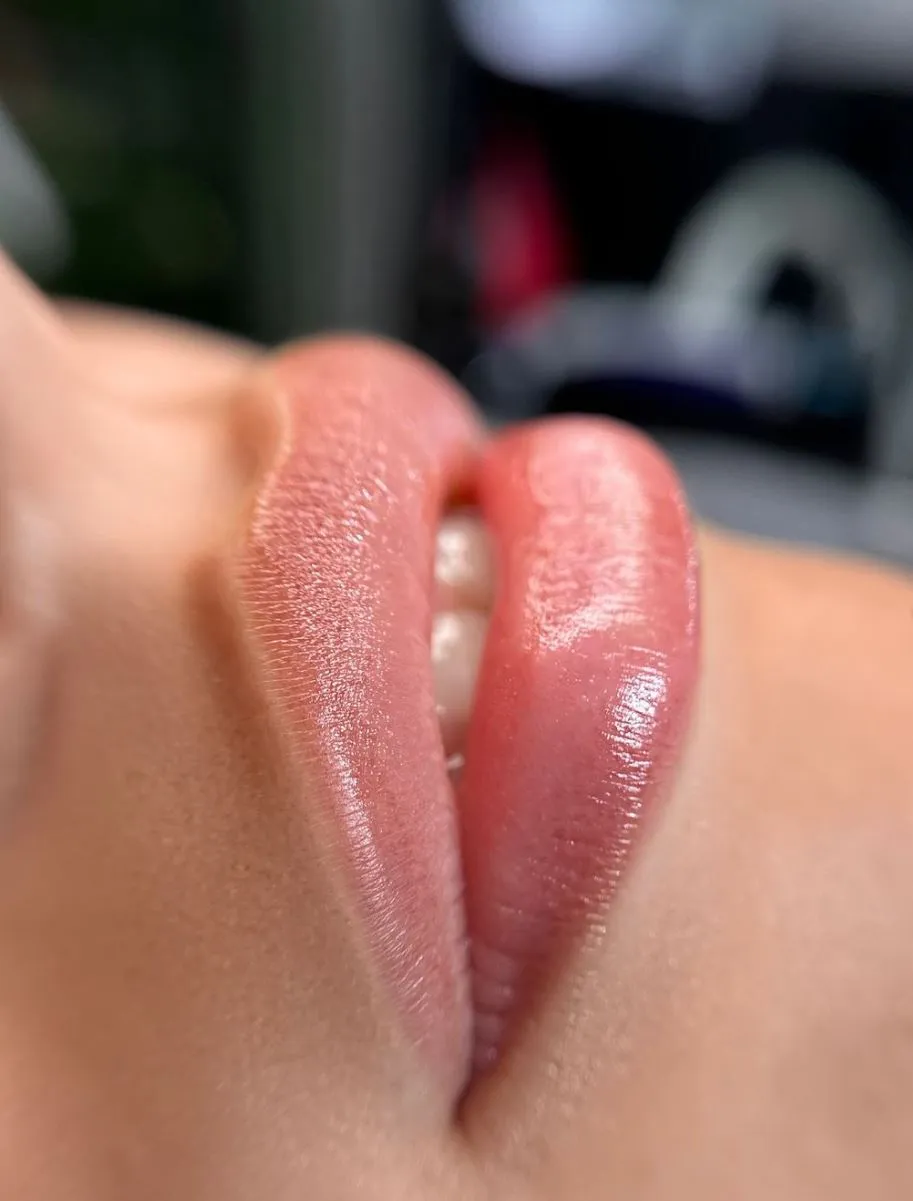
Premature fading is another common issue, especially for clients who don’t follow aftercare. The lip blush healing process requires the lips to be kept moisturised and protected from direct sun to prevent fading. Some people also have questions like Does lip tattoo plump your lips after the procedure, but focusing on proper aftercare is essential. If the lips are exposed to harsh elements or not properly cared for, colour loss can happen. This can result to patchy or lack of vibrancy and disappointment.
Using the healing balm and aftercare balm is key during the healing period. Lymphatic fluid that occurs during the healing process can cause scabbing and loss of pigment if the aftercare isn’t followed correctly.
Allergic Reactions and Skin Sensitivities
While rare, allergic reactions to the cosmetic tattoo pigments can happen. Lip skin is delicate and some people may be sensitive to the pigments used during the tattooing process. Allergic reactions can show up as itching, redness or swelling that can be mild to severe. If you have known allergies you should always do a patch test before the procedure to minimize the risk of an adverse reaction.
If you have sensitive or reactive skin you should be extra careful as your lips may be more prone to superficial reactions like skin bumps or irritation. Exposure to certain elements or using the wrong skin care products during the healing process can exacerbate these symptoms.
Infections and Scarring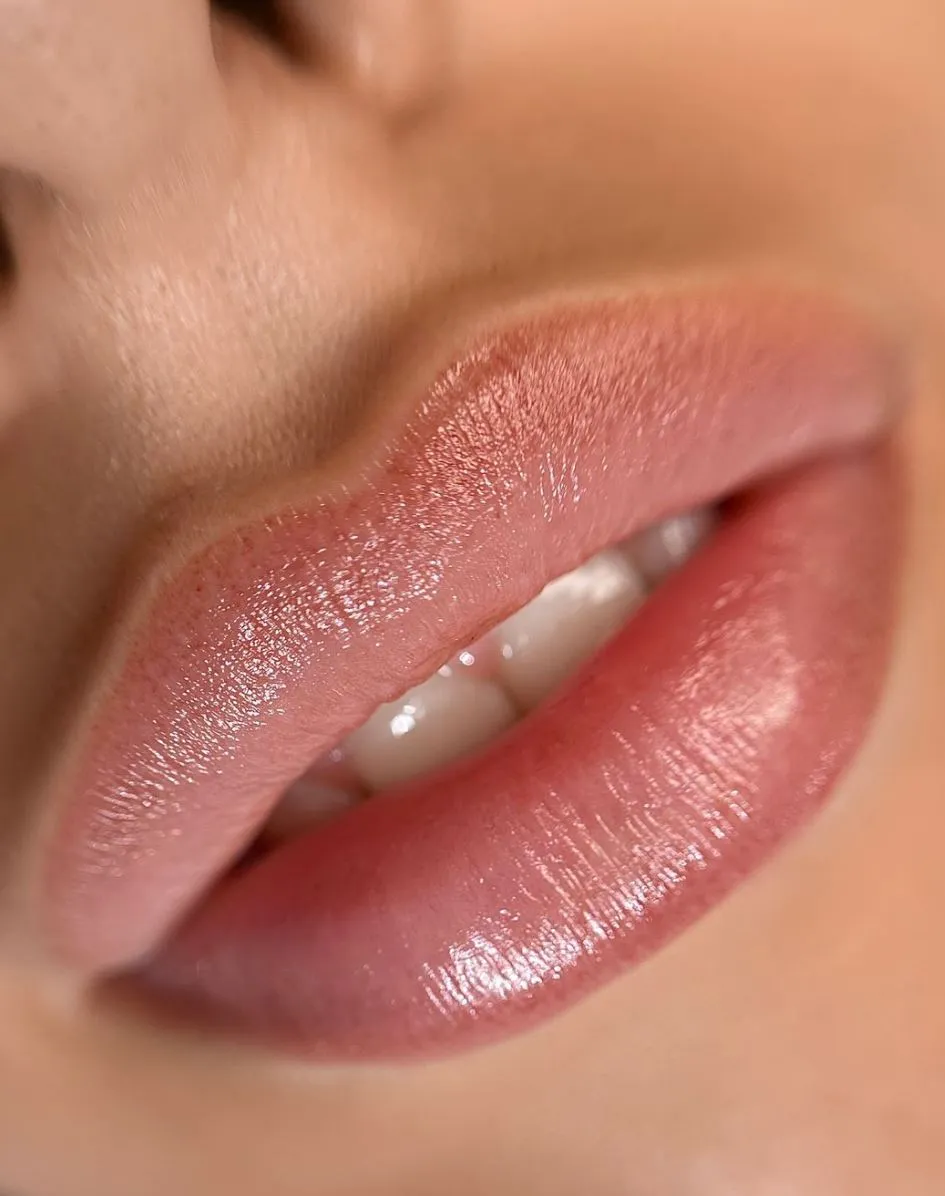
Poor hygiene during or after the procedure can cause bacterial infections which if left untreated can be severe. Symptoms of infection are excessive swelling, heat in the area, pus formation and intense redness around the lips. These infections are often caused by poor sanitation of tools or not following the aftercare instructions like keeping the lips clean and not exposing the lips to contaminated surfaces.
Scarring is another risk, especially if the tattoo artist applies too much pressure or uses the wrong technique. Scarring can cause long term damage and may need further treatment to minimize the appearance.
Mistakes Made by Newbie Tattoo Artists
Wrong Color Choices
Choosing the wrong color can be a major let down for clients. Without proper color selection the lip blush procedure may leave you with a result that doesn’t match your desired lip stain or natural skin tone. An experienced cosmetic tattoo artist will help you find your dream color that matches your natural shape and lip tone.
Overworking the Skin
When an artist applies too much pressure or goes over the same area too many times it can cause broken skin, excessive swelling or scarring. Overworking the lip skin increases the risk of infection and can extend the healing time.
Poor Aftercare Advice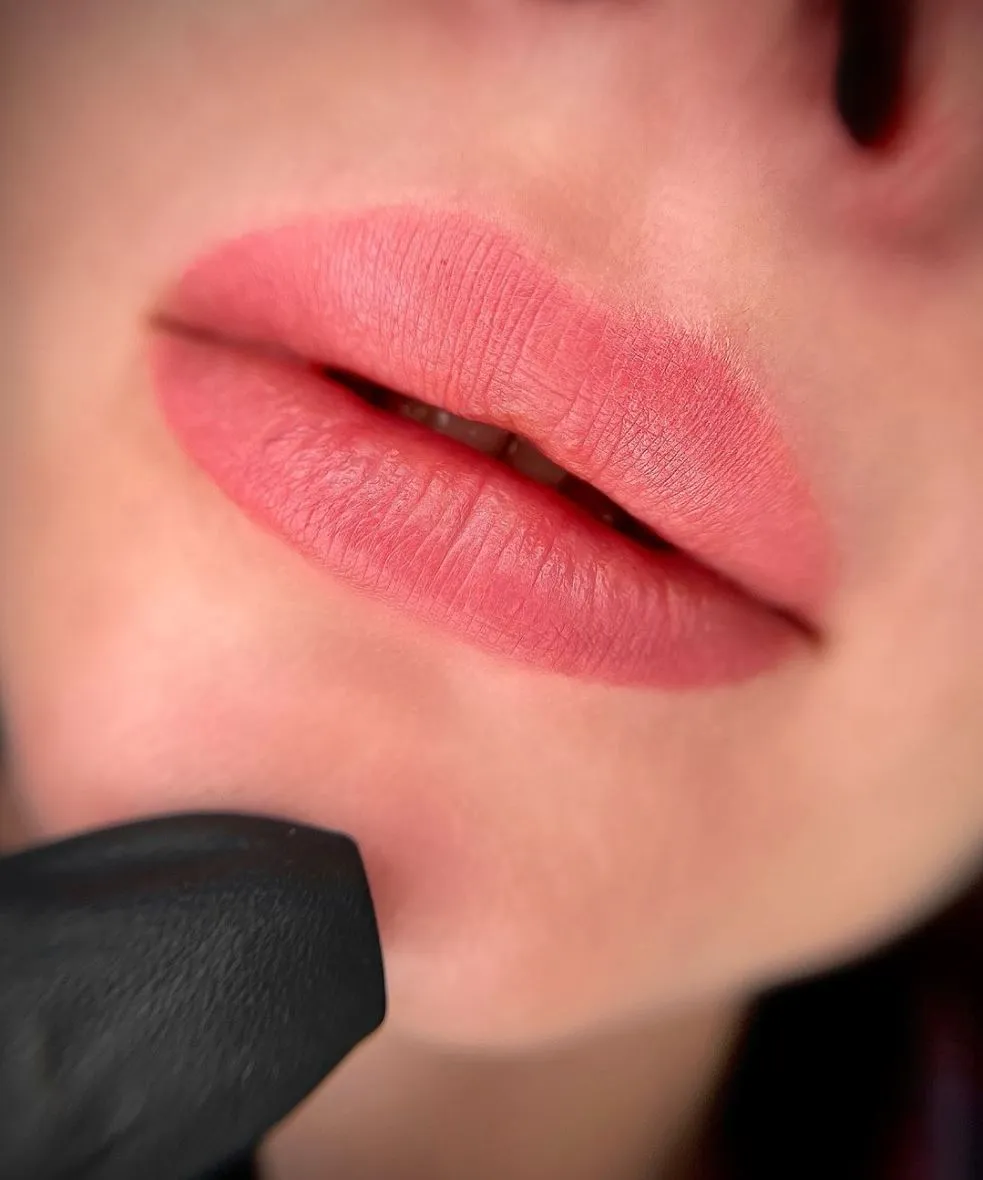
Without proper aftercare instructions clients may experience complications like loss of pigment or severe infection. Aftercare products like healing balm and antiviral medication (if prone to cold sores) are essential for a smooth recovery. Lip blush aftercare should also include guidelines for not exposing the lips to direct sun, spicy food and skin care products that can interfere with the healing process.
How to Avoid Lip Blush Issues
Choosing a Qualified and Licensed Tattoo Artist
The most important thing to avoid lip blush complications is to choose a qualified, licensed tattoo artist with lots of experience in cosmetic tattooing. Look for an artist who uses professional grade pigments, high quality tools and has a portfolio to show their work. Experienced artists know the delicate nature of cosmetic lip tattoo and how to achieve natural lip color.
Aftercare is Key
Aftercare is crucial to the healing process and achieving results. Follow the aftercare instructions given to you by your artist which will include keeping the lips clean, applying a healing balm and avoiding direct sunlight. Avoid spicy food, fish oils or anything that can irritate the lips. Anti-inflammatory medication or antiviral medication may be recommended post procedure to manage swelling and prevent infection.
Lip Blush Corrections
Touch-Ups
If there’s loss of colour or uneven results a follow up is often required. Most lip blush appointments include at least one touch up to perfect the results. A touch up can fix minor imperfections, uneven color or pigment migration.
Laser Removal for Severe Issues
If the pigment has migrated or the color is unsatisfactory laser tattoo removal may be required. This can remove unwanted pigments but can be expensive and time consuming.
Summary
Lip blush can give you the lips you’ve always wanted but there are risks involved if not taken care of. By choosing a skilled artist, following aftercare instructions and understanding the risks of allergic reactions and infections you can have a smooth and enjoyable experience. If issues arise they can usually be fixed with follow up sessions or removal techniques.
FAQs
How long does it take to heal?
Healing time is 7-10 days but full healing and color setting is 4-6 weeks.
Can I have an allergic reaction?
Yes, allergic reactions to pigments can occur but are rare. A patch test is required before the procedure to ensure you’re not allergic to the tattoo pigments.
How do I prevent infection?
To prevent infection follow aftercare instructions, keep lips clean, avoid direct sunlight and don’t touch or pick at lips during the healing process.
What if my lip blush fades too fast?
If your lip blush fades too quickly a touch up with your artist can fix the color. Proper aftercare and not using harsh skincare products will help prolong the pigment.
Can I wear lipstick after lip blush?
No, it’s recommended to not wear lipstick until lips are fully healed to avoid irritation and risk of infection.