
A Photographer’s Paradise: Capturing the Beauty of Ningaloo Reef
Ningaloo Reef is not just a beautiful coral reef; it is also a place where professional photographers and hobbyists can make their dreams come true. Located off the coast of Western Australia, this UNESCO World Heritage Site gives people an unmatched chance to take pictures of the vibrant marine life that has never been tamed by human beings. They include whale sharks, which are majestic, and manta rays that move gracefully through clear waters among healthy underwater plant systems. It is truly an underwater paradise with crystal-clear waters and thriving reefs all over the area, making it perfect for photographers who want something different than what they see in other places around them.
Contents
Must-have Equipment for Capturing Ningaloo’s Beauty
Choosing the Right Camera and Lenses
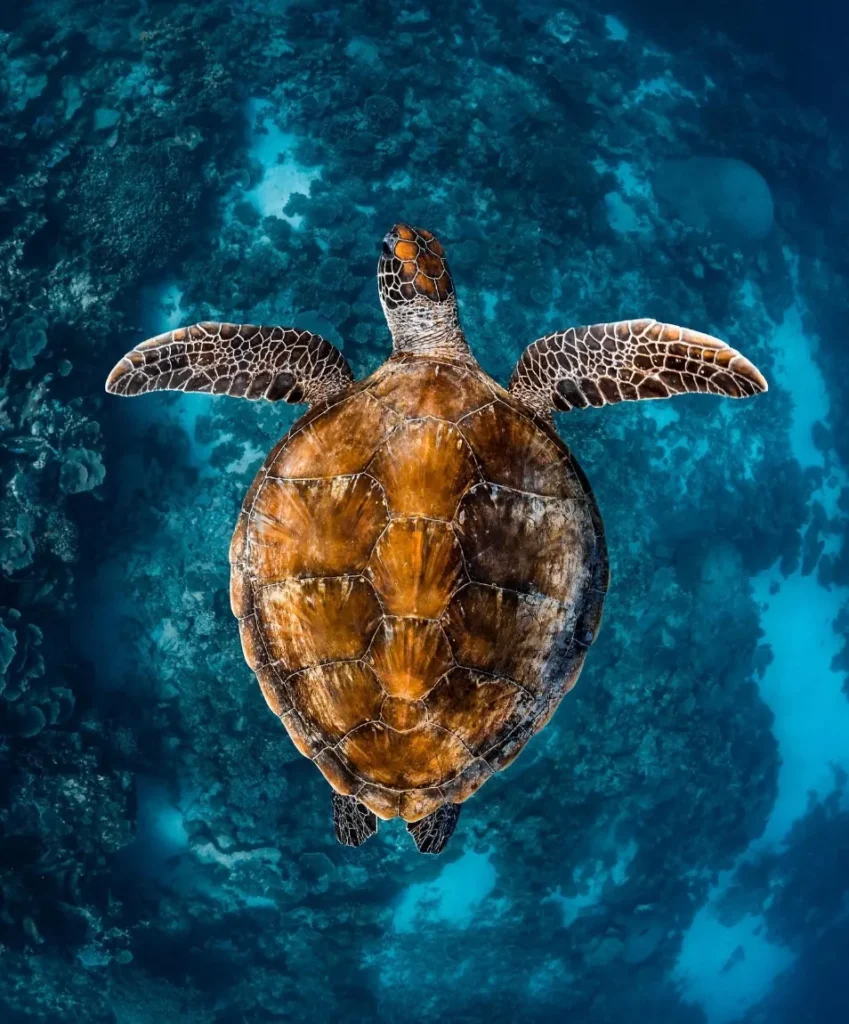
The correct gear can make a world of difference in your ability to photograph the Ningaloo Reef. A DSLR or mirrorless camera with a wide dynamic range is necessary if you want your pictures to reflect the vibrant colours and contrasts found at the reef. These cameras are more flexible than others, giving you control over difficult lighting conditions that often come with underwater photography.
Wide-angle lenses work well when taking photos of large marine life such as whale sharks or manta rays, because they allow you to capture them within their surroundings, showing their true size. For example, a 16-35mm lens will let you take shots of vast scenes around the coral itself. Conversely, macro lenses enable one to get close enough to smaller details like patterns on corals or features of tropical fish.
Underwater Housing and Accessories
A reliable housing for your camera is one of the most important things that you should have while doing underwater photography. This housing must be able to resist pressures associated with diving up to 30 meters depth without letting any water inside that could damage it High-end housings may include controls which can be customized so as not having remove camera from housing when adjusting settings.
Apart from this housing there should also be strobes or lights used undersea since many times natural light is insufficient especially at great depths Strobes help illuminate subjects and bring out colours therefore ensuring photos represent Ningaloo Reef’s beauty accurately A typical good setup would comprise an additional focus light for sharp focusing in dimly lit situations.
A wetsuit or drysuit may be necessary during prolonged dives because they help maintain warmth but comfort too when spending long periods of time submerged. However, fins designed for agility and precision may need to be acquired by those photographers who want to position themselves correctly without disturbing surrounding marine life while waiting for perfect shot thus being more flexible in movement underwater environment where balance is important.
Preparing for your underwater adventure
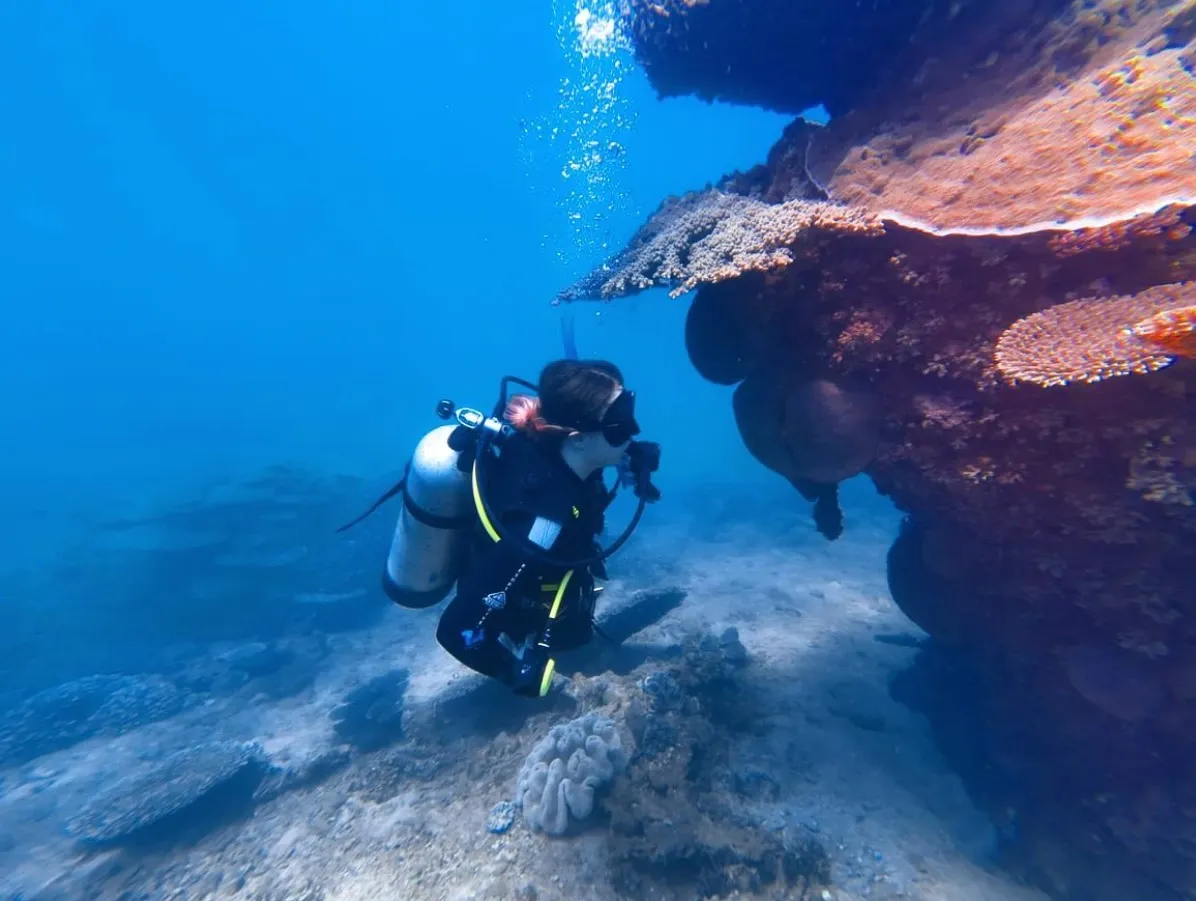
Before you start diving at Ningaloo Reef, it is good to be prepared First of all familiarize yourself with the equipment; check if everything works well while still on land Many award winning photographers suggest that one should practice using these gears in a pool or shallow waters where they can get used to controls and settings.
It can also be good for your images if you know how marine creatures behave towards camera For instance, whale sharks are slow swimmers hence easy to frame but mantas move quickly so it takes anticipation together with quick reflexes to capture them during their graceful flights Therefore study their behaviors as this may increase chances of taking perfect shot.
Ningaloo Reef Photography: When is it the most beautiful?
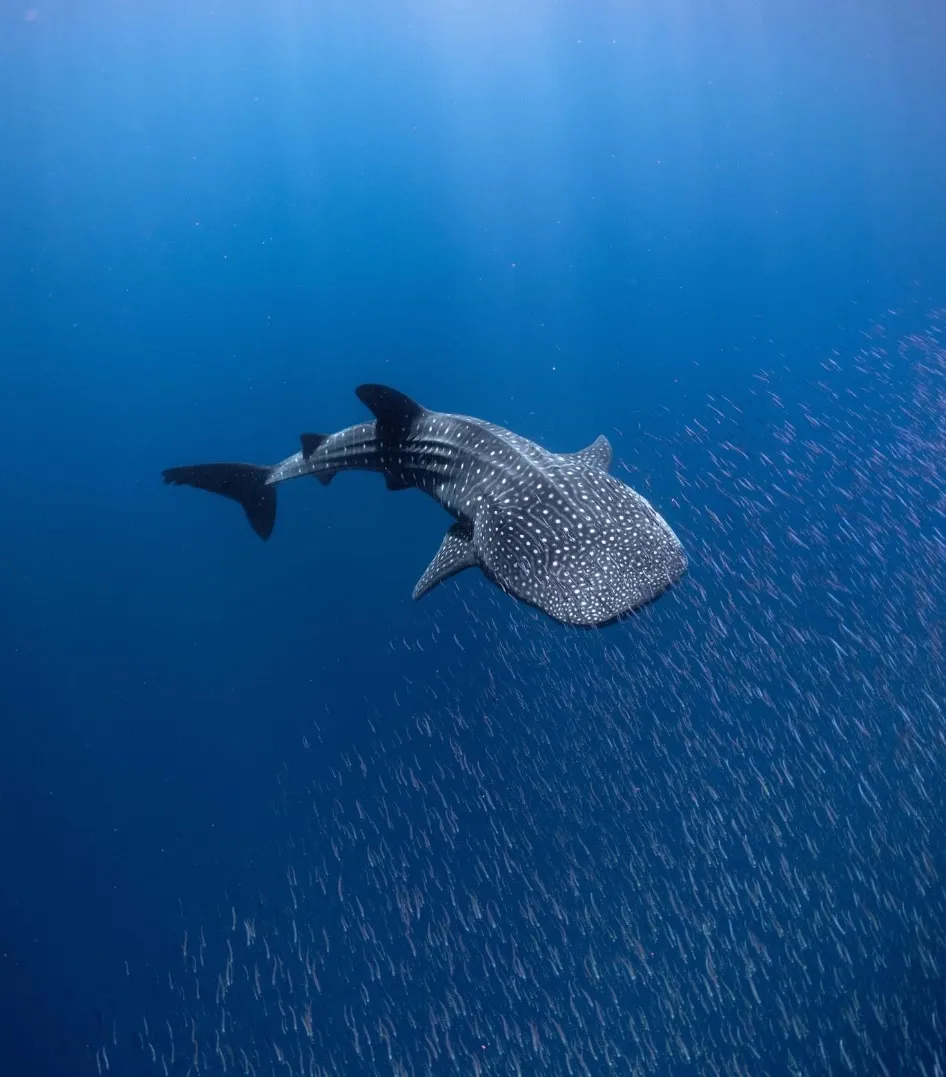
The best time to visit Ningaloo Reef is anytime because it operates all year round. Nevertheless, your visit can be made even more special if you come during these seasons. Knowing this will help you plan your trip better and ensure that you get good results in photography. For many people, March through July, when whale sharks migrate to feed on plankton in the warm waters of Ningaloo, is considered one of the best times for photography at this place. So close-ups are possible.
From May till November manta rays gather around Coral Bay which becomes their favorite spot during those months too. They swim gracefully through the water near the surface or sometimes do some acrobatic flips and spins in mid-air before landing back into sea again. These creatures move so fluidly that capturing them on camera requires patience and timing but once taken shots can really be amazing!
Between June and November humpback whales also arrive at Ningaloo Reef where they breed and give birth having migrated all way from Antarctic cold seas across thousands kilometers thus making it another great period for photographing these massive animals while playing around near shores where depth doesn’t exceed few meters only! Few photographers have ever had such an opportunity.
Magic happens at the sunrise and sunset
The Golden Hour At The Reef
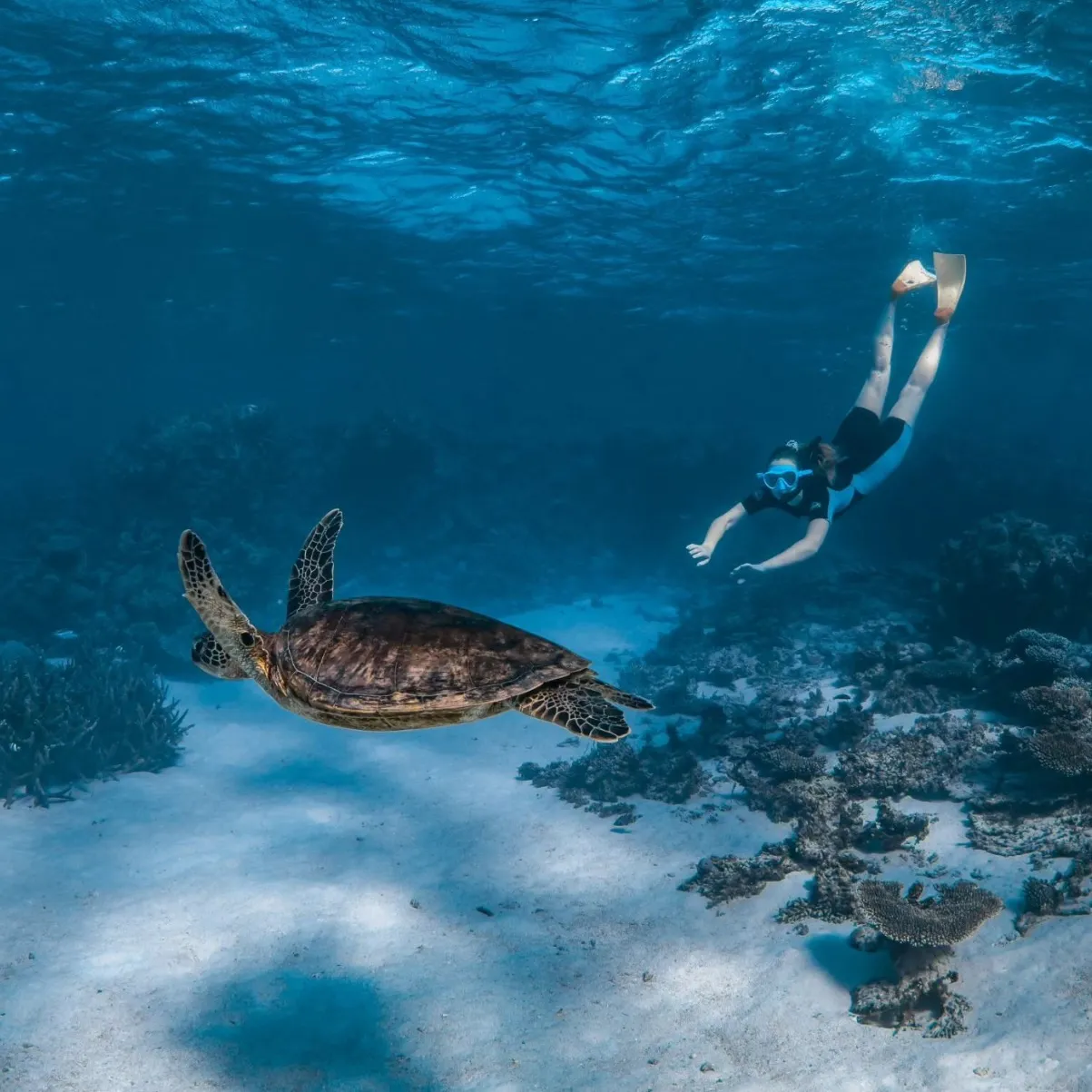
For photographers, the golden hour (the time just after sunrise or just before sunset) is a sacred time of day because it bathes everything in soft, warm light with long shadows that add depth to images, giving them a life-like quality. At Ningaloo Reef, however, Golden Hour does more than this; here, Golden Hour turns nature into a canvas painted with colours no painter could ever dream of reproducing accurately enough. During this period, coral gardens glow brightly thanks to sunlight’s warmth while still, waters mirror changing hues from above, thus creating an atmosphere that seems otherworldly yet enchanting.
If you want to capture the reef during these hours, plan your dives or snorkelling trips around them. The morning is a good time for diving as it is usually most active with various species of fish getting their day started. Also, at dawn soft light from sunrise gently illuminates underwater world allowing one to take pictures without harsh shadows common later on during day time.
In the evening, when the sun sets behind the horizon line, it creates warm golden lighting throughout the whole area where water meets land, creating a very calm, quiet atmosphere over the entire place, especially after long, exhausting dives, which makes people feel peaceful and relaxed while looking at those beautiful sceneries unfolding right in front of them so close yet unreachable by any means except through photography. Hence, evenings are perfect for taking wide-angle shots across reefs when sunlight comes straight down casting long shadows across formations giving depth effect.
Discovering Coral Bay and Its Vicinity
Coral Bay which is located on the Coral Coast of Western Australia provides a great opportunity for photographers who want to explore the enchanting beauty of Ningaloo Reef listed as a UNESCO World Heritage site. This small, idyllic town stands as an entry point to one of the most reachable and unspoiled coral reefs globally. Therefore, if you are interested in capturing the natural magnificence or rawness of Ningaloo reef, this place will be perfect for you due to its white sandy beaches and clear waters.
Untouched Marvels within Coral Bay
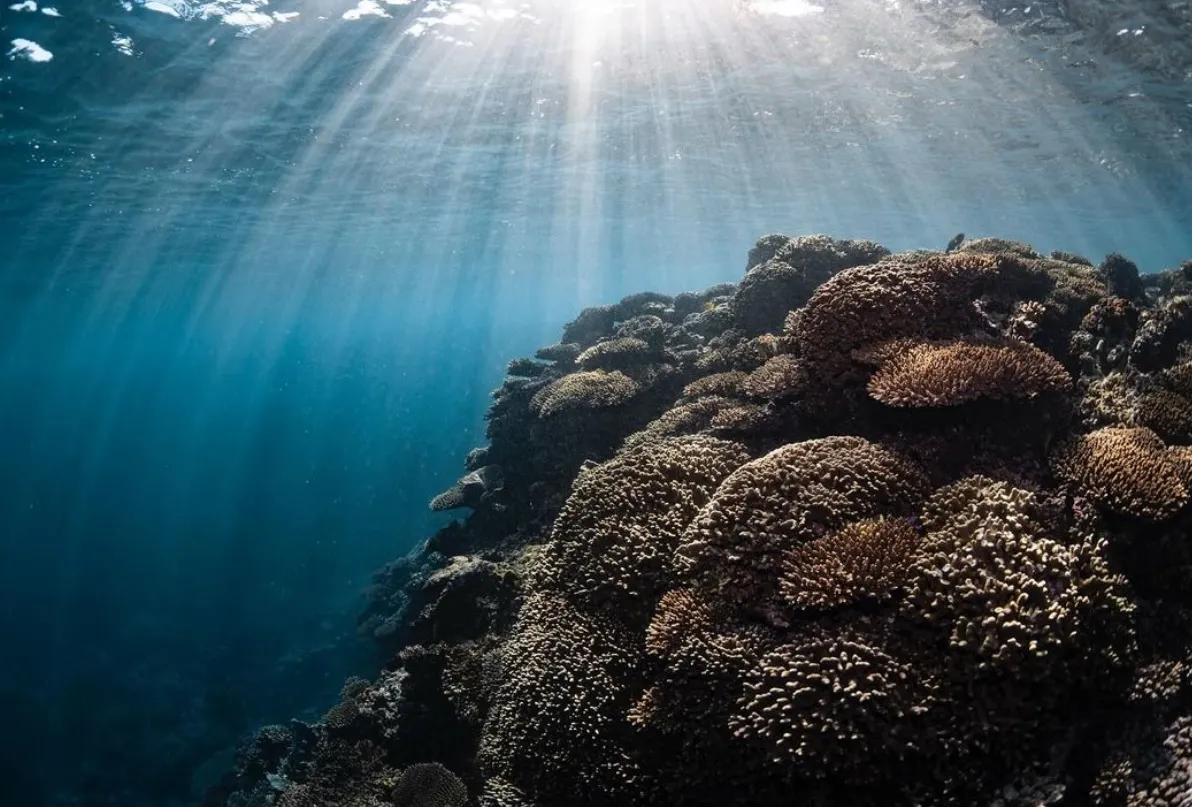
Coral Bay has so many uncharted marvels thus making it an amazing place that offers different kinds of photo opportunities each more breathtaking than the last. The town lies encircled by a healthy system of reefs just off its shoreline. So around there one can take pictures showing various colors displayed by corals living in shallow areas as well as their intricate designs. These underwater gardens also serve as habitat for multiple species including but not limited to tropical fish, manta rays or even black tip sharks!
Taking photographs underwater within Coral Bay presents itself as an enriching experience where challenges are met with rewards along every step taken towards achievement thereof. With plenty of natural light from shallower regions, there is usually warm illumination that brings out bright hues found in these parts even more intensely than deeper sections would allow for otherwise; however, delicate ecosystems call for careful handling of equipment by photographers coupled with the respectful approach so such reefs remain undisturbed waiting for future generation cameras.
Manta Rays, Whale Sharks And Other Sea Creatures
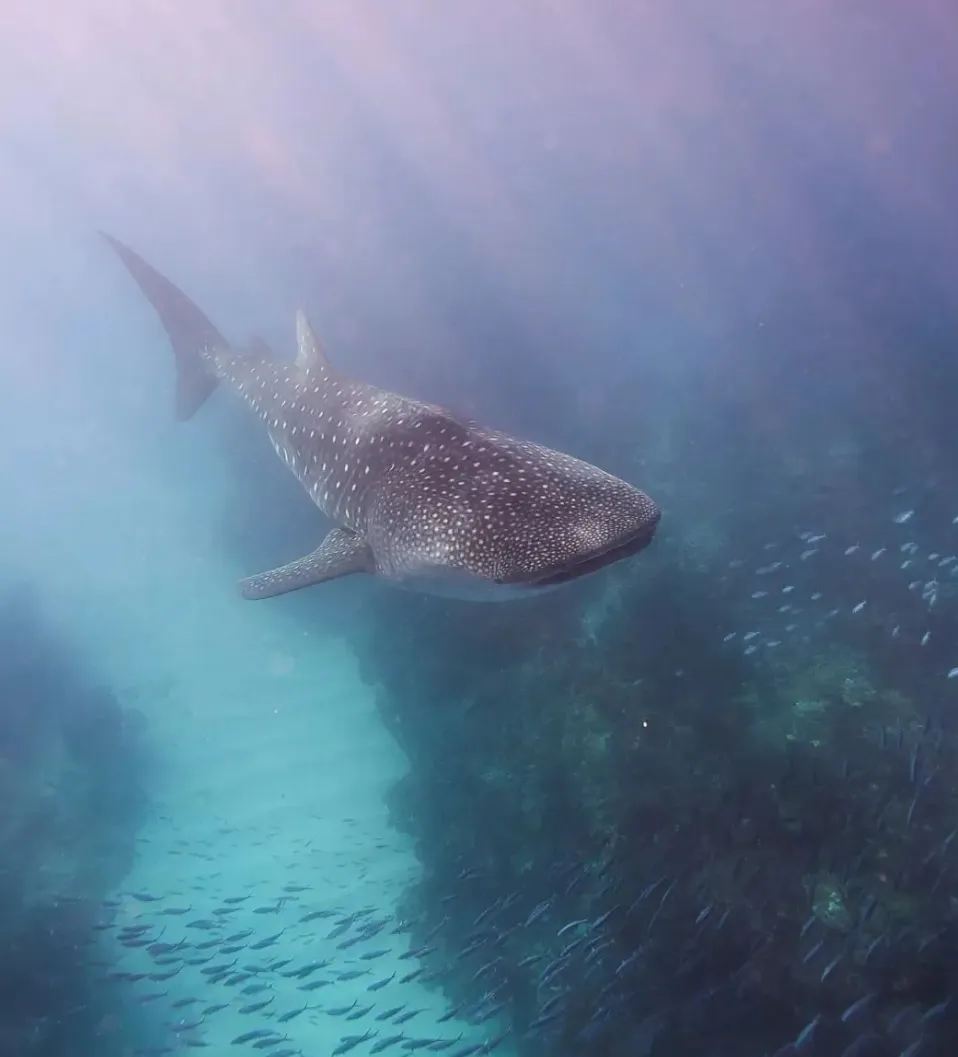
Among wildlife taking pictures at this part of Australia, nothing beats coming face-to-face with enormous mantas or swimming alongside gentle whale sharks known for visiting coral bays often enough without being scared away due their size alone being intimidating enough already! Swimming next to them gives one an unforgettable chance at capturing some really nice shots, especially when they come out close enough not to require the use of zoom lenses but rather standard wide-angle ones.
The movement gracefulness with which the manta rays move through water is something else entirely captivating. When trying to photograph these creatures, it’s best if you approach them slowly, gently and from a distance so as not to scare them off but to let them continue behaving naturally. The period between May and November presents the highest probability of encountering mantas in Coral Bay since, during that time, marine life tends to teem more within its waters than in any other season.
Another famous species found around the Ningaloo Reef area are whale sharks, the largest fish globally by size yet gentle nature, thus posing no threat whatsoever towards humans who might want capture images showing both these two things together side the surrounding environment using a wide angle lens. For one, taking a good picture showing an immense large body requires maintaining respectful proximity lest such an amazing creature gets disturbed unnecessarily, leading to less satisfying results.
Apart from the above-mentioned, humpback whales and black tip reef sharks, among others, can still be seen at this place called Coral Bay. Each has got its own peculiarity terms requiring different photographic techniques for realization purposes, however equipped right gear coupled with sharp observation skills it becomes possible taking stunning shots revealing wide range biodiversity present within Ningaloo reef system.
Exclusive Entry into Ningaloo Reef’s Underwater Wonderland
The convenience of having Coral Bay as your base while visiting Ningaloo reef cannot be overemphasized owing to the fact that it offers exclusive entry into this magical world beneath our seas. Unlike other kinds, where one has to travel long distances by boat before reaching them, Ningaloo reefs are only a few meters away from shore, hence being easily accessible worldwide. This close proximity enables divers/photographers to explore various marine animals habitats within these parts without covering much ground during their expeditions.
There are many scenes and subjects that can be photographed within the underwater realm of Ningaloo Reef, which serves as a playground for those interested in taking shots while down there. Starting off with beautiful coral gardens full of different colours up to playful shoals swimming around each other or any object found under sea level is alive with bright multi-hued organisms ranging from fish species through molluscs down towards crustaceans, etcetera making it very attractive visually too. Besides being good-looking, visibility here tends not to be limited due to shallow depth, thus making possible easier framing and more detailed capturing of inhabitants’ features as well as other parts making up an ecosystem.
In case you want a deeper experience, there are guided snorkelling expeditions and scuba diving trips, which provide professional guidance coupled with exclusive access to some untouched corners within the reefs. Those leading these Ningaloo reef tours have spent many years working underwater and therefore know them better than the backs of their hands, hence ensuring that participants get not only beautiful photographs but also gain an in-depth understanding of what goes on beneath these waters during such activities aimed at conserving marine life around Ningaloo reef.
A Weeklong Photography Experience: Creating Memories from Different Angles
If you would like to have a one-of-a-kind photographic adventure while in Coral Bay, then consider staying for a whole week around this UNESCO heritage site. This will give enough time to move around different parts of the reef so as to capture the ocean’s changing moods under various illuminations throughout daylight hours. Every new dawn brings along fresh occasions for taking pictures depicting diverse forms of sea creatures living within or near the coral structures, ranging from early morning encounters with mantas towards evening shots featuring golden hour bathed by sun rays falling on reefs themselves.
During your stay here, take advantage of some workshops available within townships found near Ningaloo Marine Park, where undersea photography is taught by seasoned award-winning artists famous worldwide among peers specializing mainly in underwater images. Such events usually attract both experienced professionals and amateur enthusiasts who get opportunitynot only to sharpen skills but also learn from best practitioners within given field
Staying in Coral Bay for a week also gives you the chance to appreciate the relaxed vibe and friendliness of the little town. The locals are approachable and friendly; most have a deep love for marine animals and would always be willing to share this passion with you by telling you more about life on the reef. This sense of belonging within the community and connection to nature is what will make this trip more than just series of shooting locations but an experience that will stay with me forever.
Why Marine Conservation Matters at Ningaloo Reef
It’s important for us as photographers to always remember that our presence can either help or harm the places we photograph. Climate change, pollution, overfishing- these are just some among many other threats faced by coral reefs such as Ningaloo Reef worldwide. The health of its ecosystem is not only crucial for marine wildlife survival but also so that our great-grandchildren will continue enjoying taking photos there.
Conservation actions undertaken at Ningaloo Reef mainly revolve around protecting biodiversity while maintaining fragile equilibrium points within this system. In order to support these undertakings, when diving or snorkelling with camera equipment, one should be careful not to touch corals or any other organisms living on them; besides using sunscreens that are biodegradable, it would also be advisable if people can buy into local initiatives aimed at promoting sustainable management practices.
Photographers have a significant role in creating awareness about beauty of reefs and problems they face thus promoting marine conservation efforts. The pictures taken during your visit may serve as an eye-opener for those who see them into realizing the importance of protecting environment around us all from destruction or degradation therefore making not only artistic value but also an environmental advocacy tool for your work
Conclusion
The beauty of Ningaloo Reef, coupled with its proximity to Coral Bay, creates an unmatched opportunity for photographers interested in capturing unique moments beneath the surface of Western Australia’s wild coastlines. Whether you’re snapping shots of manta rays gliding through crystal clear waters, coming face-to-face with gentle giants such as whale sharks, or simply marvelling at the kaleidoscope of colours displayed within our coral gardens – there truly is no limit when it comes to documenting nature’s rawest forms along this indomitable stretch.
Coral Bay is a paradise for photographers because of its underwater beauty, coastal appeal and professional guidance. You can make certain that this wonder remains an inspiration for future generations by practicing responsible photography and participating in marine conservation efforts.
FAQ
When is the best time to take pictures of Ningaloo Reef?
March through July is the best time to see whale sharks. Manta rays are most visible between May and November, while humpback whales can be seen from July to October. The dry season (April – September) provides good weather and visibility.
Do I need professional photography equipment to capture Ningaloo Reef?
The best results can be achieved using professional gear such as DSLRs or mirrorless cameras with underwater housings; however, action cameras or compact underwater cameras can also produce great shots.
Can I join guided photography tours at Ningaloo Reef?
Yes, guided Ningaloo Reef tour is available in Coral Bay and Exmouth where experienced photographers will offer tips and techniques on capturing the beauty of the reef.
What should I do to ensure the safety of marine life while photographing Ningaloo Reef?
Some guidelines include not touching marine life, keeping a safe distance from it and not using flash when taking shots under water. You should choose eco-friendly tours that support marine conservation.
What other places around Ningaloo Reef are worth visiting for photography?
Exmouth offers great landscapes and wildlife opportunities, while Coral Bay has turquoise waters and sandy beaches. Cape Range National Park boasts stunning gorges and scenery, among others.